Cups
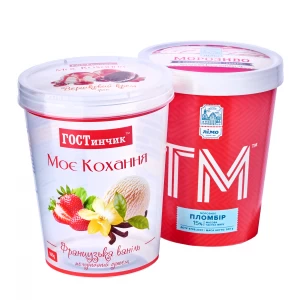
Cups
Plastic cups are used for product filling when portion size, consistent container geometry and lid compatibility are important. Businesses need to consider not only capacity but also filling, closing and subsequent transport. In the Plast Mould catalogue, selection should start with the specifications of an individual model. This makes it easier to match packaging to the production process and avoid ordering containers with unsuitable dimensions.
Plastic cups for product filling: range and applications
Plastic cups for product filling should be selected according to the product's properties and intended method of sale. For portioned products, ease of filling, body shape and the ability to fit a suitable lid are important. When comparing models, check their actual dimensions rather than relying solely on the category name. This is especially important for production equipment that has already been configured.
Plastic cups for ice cream may be one packaging format, but the suitability of a particular item depends on its confirmed conditions of use. Different products may have different requirements. If a container with another shape is needed, compare plastic containers in the catalogue as well. Make a decision after testing the selected model.
1-litre cup dimensions, lid and IML
A 1-litre plastic cup should be assessed by both nominal capacity and actual external dimensions. Important measurements include the top diameter, body height and rim geometry, which determines how the lid fits. Before purchasing, check whether the configuration meets filling and transport requirements. Different designs may require adjustments to the production line.
IML is a technology in which a label is applied during the moulding of a plastic product. If this finish is available for the selected model, artwork and production requirements must be agreed separately. IML availability should not be assumed for the entire range. Decoration options and supplied components should be confirmed for each particular model.
Preparing cups for filling in production
Before placing a batch order, wholesale plastic cups should be tested on the actual production line. For automatic feeding, dimensions, stable positioning and the equipment's gripping method all matter. With manual filling, ease of filling and closing are important. Consider how the finished product will be stored after packing. Testing can identify mismatches before the main order is placed.
Lid compatibility with the cup rim requires particular attention. Even small differences in geometry can affect the fit, so the components should be tested together. For grouped packaging, check how the filled items are arranged. Plastic buckets may be an option for larger portions or a different carrying method, but the right format depends on the specific product.
Before approving packaging for a filling line, check these parameters:
- 1-litre capacity and cup dimensions — compare nominal volume, height and diameter with equipment requirements.
- Lid fit and rim geometry — check how the lid fits the selected model after filling.
- Filling line feeding requirements — test gripping, positioning and movement of the cup.
Record the results of trial filling before purchasing, including the cup model, matching lid and equipment settings. If problems arise on the line, resolve them before ordering a large batch. This helps align production requirements with the container configuration. It also makes repeat orders easier.
How to order plastic cups wholesale
To order plastic cups wholesale, prepare details of the product, required capacity, approximate quantity and filling method. If a lid or IML decoration is needed, specify this separately. Plast Mould is a plastic packaging manufacturer, so specifications and available configurations for the selected model should be confirmed directly. Prices, minimum quantities and delivery times are agreed for each order.
Before finalising a purchase, check that the packaging suits the product, production equipment and storage conditions. Include dimensions and closure requirements in the enquiry rather than relying on the word 'cup' alone. Compare the new model with existing packaging. Confirming specifications before ordering reduces the risk of unsuitable containers