Containers
Containers
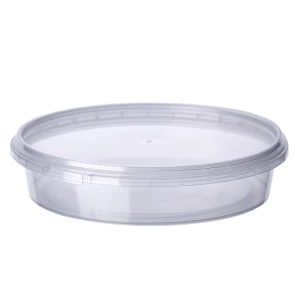
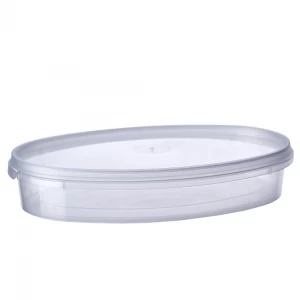
Plast Mould plastic containers are used for filling, storing and preparing products for sale. When choosing packaging, businesses need to consider not only capacity but also shape, closure method and production conditions. The catalogue includes jars in different configurations, so it is worth comparing several models before ordering. This helps match the packaging to the product and reduces the risk of having to change containers after the filling process has started.
Plastic containers for product filling
Plastic containers should be practical throughout the production process, from filling to transporting finished goods. Selection criteria include the properties of the contents, portion size, container dimensions and stability on the work surface. A wide, shallow jar and a compact, tall container may have similar capacities but behave differently on equipment and in shipping cartons. The selection process should therefore begin with the requirements of the specific production operation.
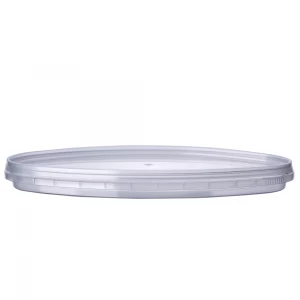
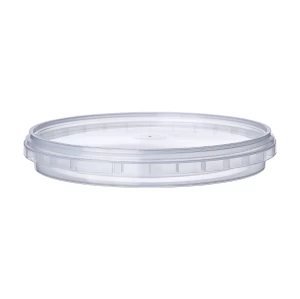
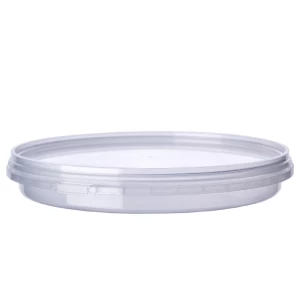
Plastic containers with lids should be assessed as a set: the lid must fit the specific model, and the closing method must suit the filling process. Check component compatibility before purchasing, particularly if the facility already uses container-closing equipment. For products that require larger packaging, it is also worth comparing plastic buckets. The choice between these categories depends on the weight of the contents, packaging geometry and conditions of use.
Container shapes and capacities
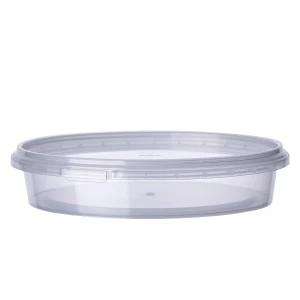
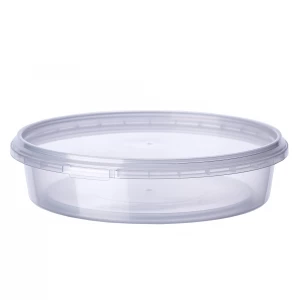
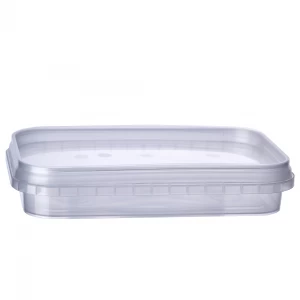
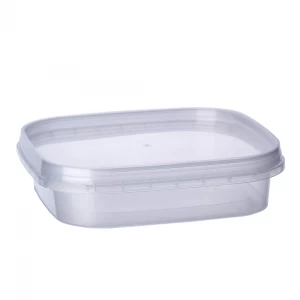
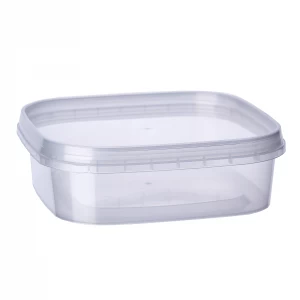
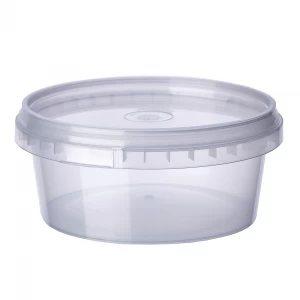
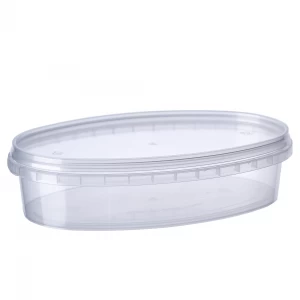
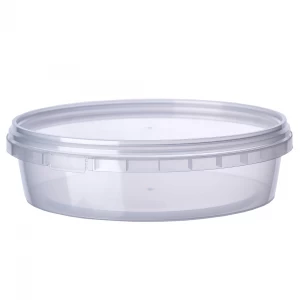
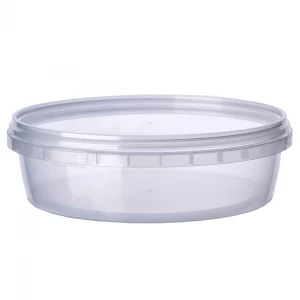
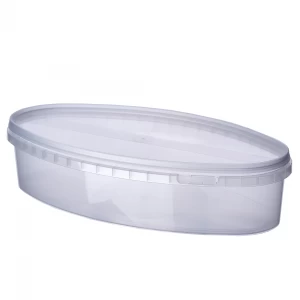
The Plast Mould catalogue includes round, square, rectangular and oval jars. Listed models include a 160 ml round jar, a 180 ml rectangular jar, a 200 ml square jar and a 300 ml oval jar. Other options include 450 ml and 500 ml containers and a 1.5 L oval jar. Nominal capacity alone does not define all packaging characteristics: check the dimensions, base shape and closure method of each model before making a selection.
Packaging shape affects how finished products are arranged on shelves, in cartons and on the filling line. If another format is needed for portion packaging, compare plastic cups in the manufacturer's range. However, decisions should be based on the specifications of individual models, not just the category name. Recording the required capacity, dimensions and lid specifications makes it easier to compare suitable options and plan purchases.
How to choose a plastic container for your product
Plastic containers for food products should be selected according to the properties of their contents and the verified intended use of the specific packaging. Before using a model for food, confirm that it is suitable for the intended type of contact. Filling temperature, storage conditions and transportation methods also matter. Further criteria for choosing food containers are explained in the Plast Mould blog, which can help businesses prepare their packaging requirements.
Before purchasing, check whether the selected container fits the actual filling and closing process. This helps prevent mismatches between the model's specifications and the production line settings. If a company already works with a particular packaging geometry, the new model should be tested before placing an order. This is especially important when planning a wholesale batch for ongoing production.
Compare the following characteristics before selecting a model:
- Capacity and geometry — volume, base shape and dimensions should match the portion and filling equipment.
- Closure method — the lid must be compatible with the specific container and its application process.
- Conditions of use — consider filling, stacking, storage and transportation requirements.
After the initial selection, it is useful to test the container in the actual production process. This makes it possible to assess filling, closing and handling of finished packages. Record the test results, including the model name, capacity, matching lid and required order quantity. These details make repeat orders easier, help clarify specifications with the supplier and reduce confusion between products that look similar but have different dimensions or other characteristics.
Buy wholesale plastic containers from Plast Mould
To buy plastic containers, prepare an enquiry stating the intended use, required capacity, shape and approximate quantity. If your business needs wholesale plastic containers, confirm which lid fits the selected model and agree on the supply terms. Plast Mould is a plastic packaging manufacturer, so product specifications and ordering options should be confirmed before purchase. Minimum order quantities, lead times and prices should not be assumed without direct confirmation