Buckets
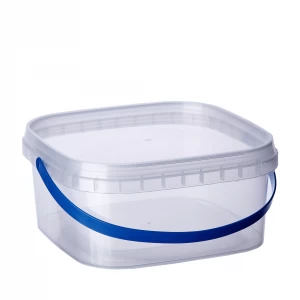
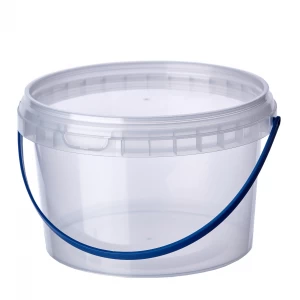
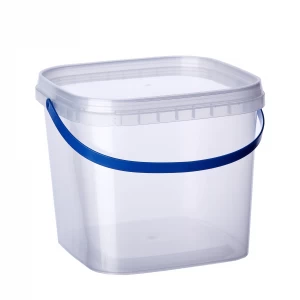
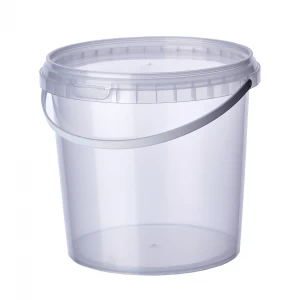
Buckets
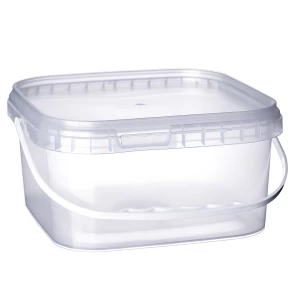
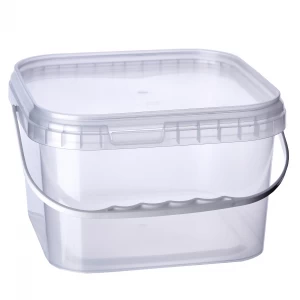
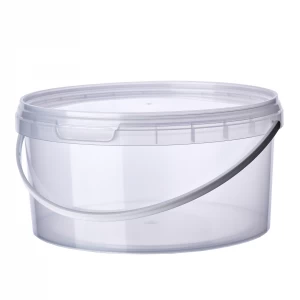
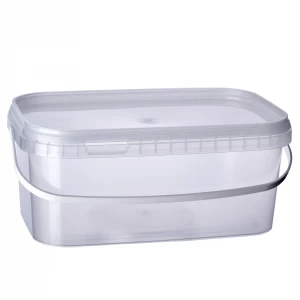
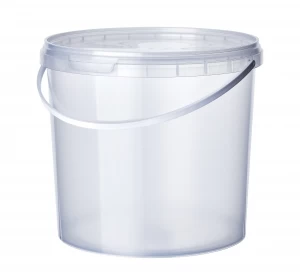
Plastic buckets are used for filling and storing products when container capacity, carrying convenience and closure type matter. Before ordering, compare the dimensions of each item with the filling and transport process. In the Plast Mould catalogue, individual models should be compared by shape, capacity and configuration. This helps select packaging for the actual workflow rather than relying on nominal capacity alone.
Plastic buckets with lids: design and range
Plastic buckets with lids should be treated as a set of components, each serving a different purpose. The body determines shape and capacity, the lid provides closure, and the handle affects ease of carrying. Before selecting a model, check which components are intended for that particular bucket. Compatibility between parts from different models must be checked separately.
Businesses need to consider not only the empty container but also how the packaging performs once filled. Product weight, grip and storage arrangements all matter. If a different format is needed for smaller portions, compare plastic containers in the relevant catalogue section. The choice should depend on the specifications of the actual model.
Design features: lids, handles and bucket shape
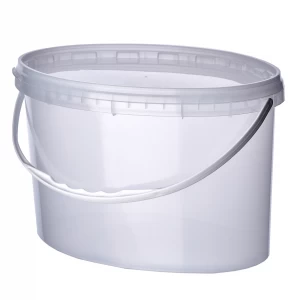
The shape of a bucket affects how it stands on a work surface and fits into transport packaging. Its handle should suit the intended carrying method, while the lid must match the upper part of the body. When choosing a model, check its dimensions and closure type as well as nominal capacity. Test these parameters on a sample before starting regular filling operations.
If products are filled using machinery, the bucket geometry must suit the equipment's feeding and holding method. For manual filling, assess how easily the lid can be fitted and the filled bucket carried. Where a different packaging shape is required, plastic cups may be suitable for portion filling. Consider the actual contents' weight and working conditions.
Choosing a plastic bucket for product weight and properties
Food-grade plastic buckets should be selected only after confirming that the specific model is suitable for the intended food contact. The term 'food packaging' does not replace a check of technical specifications and conditions of use. Product properties, filling temperature, storage and transport all matter. Discuss these requirements with the manufacturer before purchasing rather than relying on general assumptions.
The filled weight can affect carrying convenience, handle loading and storage arrangements. Therefore, plastic buckets from the manufacturer should be assessed against several criteria rather than capacity alone. For repeat deliveries, record the model name, required components and expected conditions of use. This makes repeat ordering easier and reduces confusion between similar products.
Before approving a model, check these three main characteristics:
- Working capacity and filled weight — match the bucket's capacity to the product portion and carrying load.
- Handle type and closure reliability — confirm the component design and compatibility with the selected model.
- Suitability for the product — confirm the conditions for contact, filling, storage and transport.
After making an initial choice, test the bucket in the actual process: fill it with the intended amount of product, fit the lid and assess handling. If the packaging passes through several production stages, check how it is positioned at each stage. Share the test results with the purchasing team. This allows specifications to be agreed before a wholesale order and reduces the risk of unsuitable packaging.
Wholesale supply of plastic buckets
To buy plastic buckets, prepare an enquiry specifying the product, required capacity, quantity and component requirements. If you need wholesale plastic buckets, check the availability of the selected model and its compatible lid and handle. Plast Mould is a plastic packaging manufacturer, so technical specifications and order terms should be agreed directly. Minimum order quantities, prices and lead times need separate confirmation.
For a useful purchasing discussion, include the filling method, filled weight and storage conditions in your enquiry. This makes it easier to identify which parameters need testing. If the business already uses a particular packaging format, compare its dimensions with those of the proposed model. Make the final choice after checking compatibility and agreeing supply terms